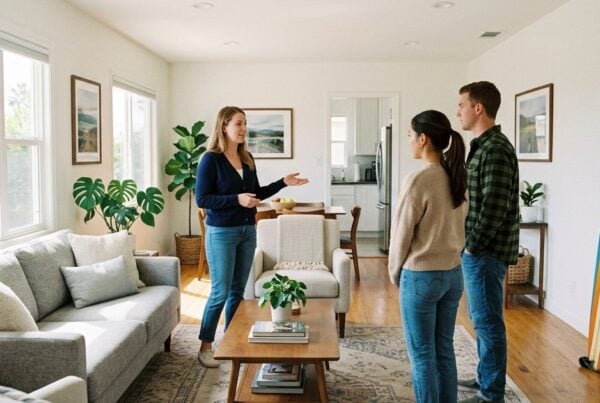
A sober living home is a drug- and alcohol-free shared residence that people choose to live in while they build their recovery, usually after detox or treatment. A halfway house most often refers to a supervised residence for people leaving prison or jail, such as the federal residential reentry centers, and residents are typically placed there as part of their release rather than choosing it.
In everyday conversation the two terms get mixed up, and some people use “halfway house” for any group recovery home. If you are searching for a place in San Diego, knowing the difference helps you find the right fit and ask the right questions.

The Short Answer: Side by Side
| Sober living home | Halfway house (reentry) | |
|---|---|---|
| Who lives there | Adults in recovery from substance use | Usually people leaving incarceration |
| How you get in | You apply and choose to live there | Often placed or referred by a court or corrections agency |
| Main purpose | A stable, substance-free home to practice recovery | Supervised transition back to the community |
| Rules | House agreements, testing, curfews, chores | Rules set by the contracting agency, including accountability checks |
| Length of stay | Flexible, based on the resident’s progress | Often tied to a release date or program terms |
| Treatment on site | No. Residents attend treatment or meetings elsewhere | Varies by program |
What Is a Halfway House?
The term “halfway house” has a long history, and its meaning depends on who is using it. The most formal use comes from the corrections system. The Federal Bureau of Prisons contracts with residential reentry centers, also known as halfway houses, to help people who are nearing release. According to the BOP, these centers provide a structured, supervised environment along with employment counseling, job placement and financial management help.
In that setting, residents are accountable to the agency that placed them. The BOP notes that in-house counts are conducted throughout the day. Some people use “halfway house” more loosely for any shared recovery home, which is where much of the confusion comes from.
What Is Sober Living?
A sober living home is a shared residence where everyone has agreed to stay free of alcohol and drugs. People usually move in after finishing detox or a treatment program, or while attending outpatient care, because going straight back to their old environment feels risky.
Sober living is not treatment. There are no therapy sessions or medical services in the house. Instead, it offers a stable place to live, a set of house rules and a community of people working toward the same goal. Residents go to their outpatient program, therapy, support meetings, work or school during the day, then come home to a substance-free house.
Recovery is far more common than many people realize. SAMHSA reports that 50.2 million American adults consider themselves to be in recovery from substance use or mental health problems. For many of them, the hardest part is not the first few weeks of treatment but the months that follow at home. That is the gap sober living is meant to fill.
Key Differences That Matter When You Are Choosing
Who the home is for
Reentry halfway houses serve people transitioning out of the justice system. Sober living homes serve adults in recovery, whatever their background. At Pacific Beach Recovery, residents are adults who have usually just completed detox or rehab and want structure while they get back on their feet.
Choice and commitment
In most sober living homes, you apply, go through a screening and agree to the house rules. You are there because you want to be. That voluntary commitment shapes the culture of the house.
Rules and accountability
Both settings have rules, but they come from different places. In a reentry center the rules are tied to supervision. In a sober living home they are house agreements designed to protect everyone’s recovery. At Pacific Beach Recovery, those include staying drug- and alcohol-free, random testing, curfews during the early weeks and house managers who live on site.
Length of stay
Reentry placements are often tied to a release date. In sober living, the timeline usually depends on your progress and goals. Our guide on how long you should stay in sober living walks through how people think about that decision.
What Daily Life in Sober Living Looks Like
Most people are surprised by how normal it feels. A typical week might include:
- Going to work, school or an outpatient program during the day
- Attending recovery meetings
- Sharing chores and house responsibilities
- House meetings with other residents
- Downtime with people who understand what you are going through
If you are nervous about the first few days, read what to expect in your first week of sober living.
Questions to Ask Any Sober Living Home in San Diego
Whether you look at Pacific Beach Recovery or somewhere else, these questions help you compare honestly:
- What are the house rules, and can I see them in writing before I pay?
- How is drug and alcohol testing handled?
- Who manages the house, and do they live on site?
- What is expected of residents each week (meetings, work, school, chores)?
- How are rent, deposits and move-out handled?
- Is the home single-gender or mixed? Some people prefer a men’s or women’s house.
- What happens if a resident relapses?
- How does the house connect residents with outside treatment and support?
A good home answers these clearly and without pressure. If a house is vague about rules or money, take that seriously.
Do You Need Treatment First?
In most cases, yes. Sober living homes generally expect residents to have completed detox, because a shared house is not set up to manage withdrawal. Many residents are also enrolled in outpatient treatment while they live in sober living.
If you still need detox or treatment, FindTreatment.gov is a free federal directory of licensed programs. Sober living works best as the next step after that.
Why Pacific Beach?
Location matters in early recovery. Pacific Beach puts residents near the ocean, walking paths and an active community, which makes it easier to build a routine and a social life that does not revolve around drinking or using. Pacific Beach Recovery has offered sober living in the neighborhood for more than 10 years. You can see what the houses are like on our sober living homes page.
Related Reading
- Pacific Beach Recovery Sober Living
- Sober Living, Recovery Residence, Halfway House: What’s the Difference and Why It Matters
- How do you know if sober living is good?
- What Does Sober Living Mean? A Complete Guide to Recovery Residences
Frequently Asked Questions
Is a sober living home the same as a halfway house?
Not usually. “Halfway house” most often refers to supervised reentry residences for people leaving incarceration. Sober living homes are voluntary, substance-free residences for adults in recovery. Some people use the terms interchangeably, so it is always worth asking what a specific house offers.
Do sober living homes provide treatment?
No. Sober living is housing, not treatment. Residents typically attend outpatient treatment, therapy or recovery meetings outside the home.
Who can live in a sober living home?
Adults in recovery who are willing to stay substance-free and follow the house rules. Most homes expect residents to have completed detox first and will do a screening before move-in.
How long do people stay in sober living?
It varies. Many people stay several months, and some stay longer. The right length depends on your progress, your support system and your next living situation.
Are there drug tests in sober living?
Most quality sober living homes test residents. Pacific Beach Recovery uses random drug and alcohol testing to keep the house safe for everyone.
What if I need help right now?
SAMHSA’s National Helpline is free, confidential and available 24 hours a day. If you are in immediate danger, call 911.
Ready to Talk About Sober Living?
If you or someone you love is finishing treatment and wants a structured, substance-free place to live near the beach, Pacific Beach Recovery can answer your questions about the homes, the house rules and availability. Reach out through our contact page to start the conversation.